Cats and Cold Weather: What Owners Should Know When Temperatures Drop
Published in Cats & Dogs News
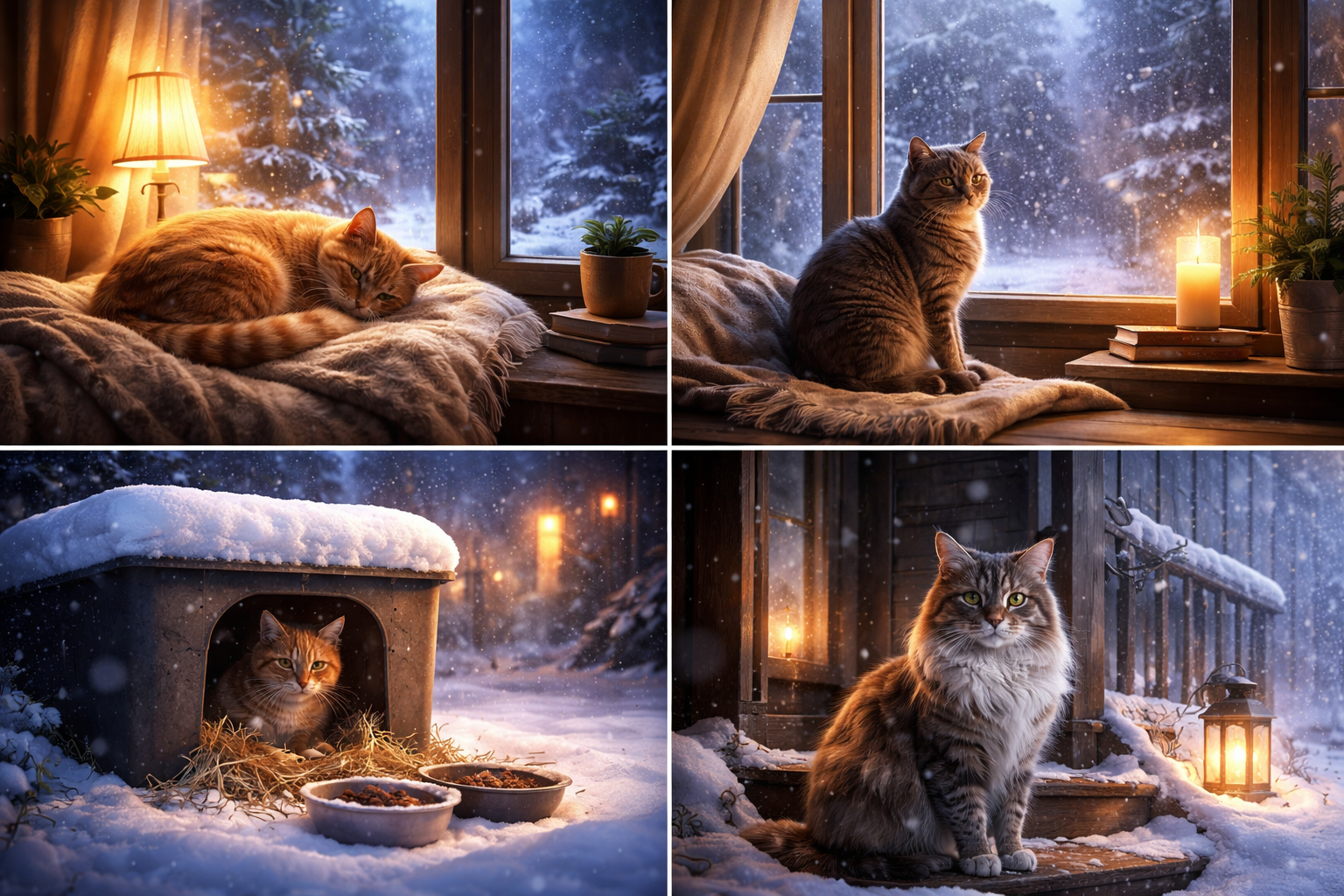
As winter settles in, many cat owners assume their pets’ fur coats provide all the protection they need against the cold. While cats are remarkably adaptable animals, cold weather presents real risks—especially for outdoor cats, seniors, kittens and cats with medical conditions. Understanding how cats experience cold, and how to protect them, can make a meaningful difference during the winter months.
How Cats Experience Cold
Cats descended from desert-dwelling ancestors, and most modern domestic cats are better adapted to warmth than to prolonged cold. While fur provides insulation, it is not a guarantee against hypothermia, frostbite or exposure.
Healthy adult cats can tolerate brief periods of cold, particularly if they have access to shelter and remain dry. However, wind, moisture and low temperatures quickly overwhelm a cat’s ability to regulate body heat. A wet coat, for example, loses much of its insulating value.
Cats that are young, elderly, underweight or ill are especially vulnerable. Conditions such as arthritis, kidney disease and heart disease can worsen in cold weather, making winter a challenging season even for indoor cats.
Indoor Cats and Seasonal Changes
Indoor cats are often overlooked in cold-weather discussions, but they experience winter differently too. Drafts from windows and doors, cooler floors and reduced sunlight can all affect comfort and behavior.
Many indoor cats sleep more during winter months, seek warmer surfaces and gravitate toward heating vents or sunlit windows. Owners should ensure cats have access to warm bedding placed away from drafts, ideally elevated off cold floors.
It’s also common for indoor cats to drink less water in winter, increasing the risk of urinary and kidney issues. Providing fresh water daily and considering water fountains can help maintain hydration.
Outdoor and Community Cats
Outdoor cats face the greatest risks in cold weather. Hypothermia can occur when a cat’s body temperature drops below normal, leading to lethargy, confusion and, in severe cases, organ failure. Frostbite most commonly affects ears, tails and paws.
Cats may seek warmth under car hoods, inside wheel wells or near engine blocks. This creates danger both for the animal and for drivers. Knocking on the hood or honking before starting a car can help alert a hidden cat.
Community cats benefit greatly from simple winter interventions. Insulated shelters made from plastic bins or wooden boxes, filled with straw (not blankets, which absorb moisture), can provide life-saving protection. Food requirements also increase in winter, as cats burn more calories to stay warm.
Breed, Coat and Body Type Considerations
Not all cats are equally equipped for cold weather. Long-haired breeds such as Maine Coons and Norwegian Forest Cats tend to tolerate cold better than short-haired or hairless breeds. Cats with thin coats, low body fat or shaved fur are at higher risk of exposure.
Hairless cats, such as Sphynx cats, should never be exposed to cold temperatures. Even indoor drafts can cause discomfort, and sweaters or heated beds may be appropriate in cooler homes.
Regardless of breed, no domestic cat is truly adapted to prolonged winter exposure without shelter and care.
Nutrition and Energy Needs
Cold weather increases a cat’s caloric needs, particularly for outdoor cats. Owners may notice increased appetite as temperatures drop. This is a normal physiological response as the body works harder to maintain heat.
Indoor cats generally do not need increased food unless activity levels change significantly. However, maintaining proper nutrition is critical during winter, as illness and weight loss can be harder to detect beneath thicker coats.
Fresh, unfrozen water is essential. Dehydration is a hidden winter risk, especially for outdoor cats relying on snow or ice for moisture.
Health Risks Unique to Winter
Winter introduces hazards beyond cold exposure. Antifreeze, which has a sweet taste, is highly toxic to cats even in small amounts. Spills should be cleaned immediately, and leaks repaired promptly.
Space heaters, fireplaces and heating pads can cause burns if cats lie too close or chew on cords. Only pet-safe heating devices should be used, and cords should be protected from chewing.
Dry indoor air can also affect cats’ skin and respiratory systems. Humidifiers may help, particularly for cats prone to dry skin or respiratory irritation.
Signs a Cat Is Too Cold
Cats rarely vocalize discomfort until they are in distress. Warning signs of cold exposure include shivering, hunched posture, cold ears or paws, lethargy and slowed breathing. Pale or bluish skin on ears or paw pads may indicate frostbite.
Any cat showing these signs should be warmed gradually and examined by a veterinarian as soon as possible. Rapid warming, such as placing a cold cat near direct heat, can cause shock.
Simple Steps to Keep Cats Safe
Keeping cats indoors during extreme cold is the single most effective way to protect them. For cats that go outside, limiting time outdoors and ensuring access to shelter is critical.
Inside the home, providing warm bedding, maintaining stable indoor temperatures and monitoring changes in behavior can prevent winter-related health problems. For community cats, small efforts—shelter, food and vigilance—can be lifesaving.
Cats are resilient, but winter demands extra attention. With thoughtful care, they can remain healthy, comfortable and safe until warmer days return.
========
This article was written, in part, utilizing AI tools.








Comments