When winter bites, preparation matters
Published in Cats & Dogs News
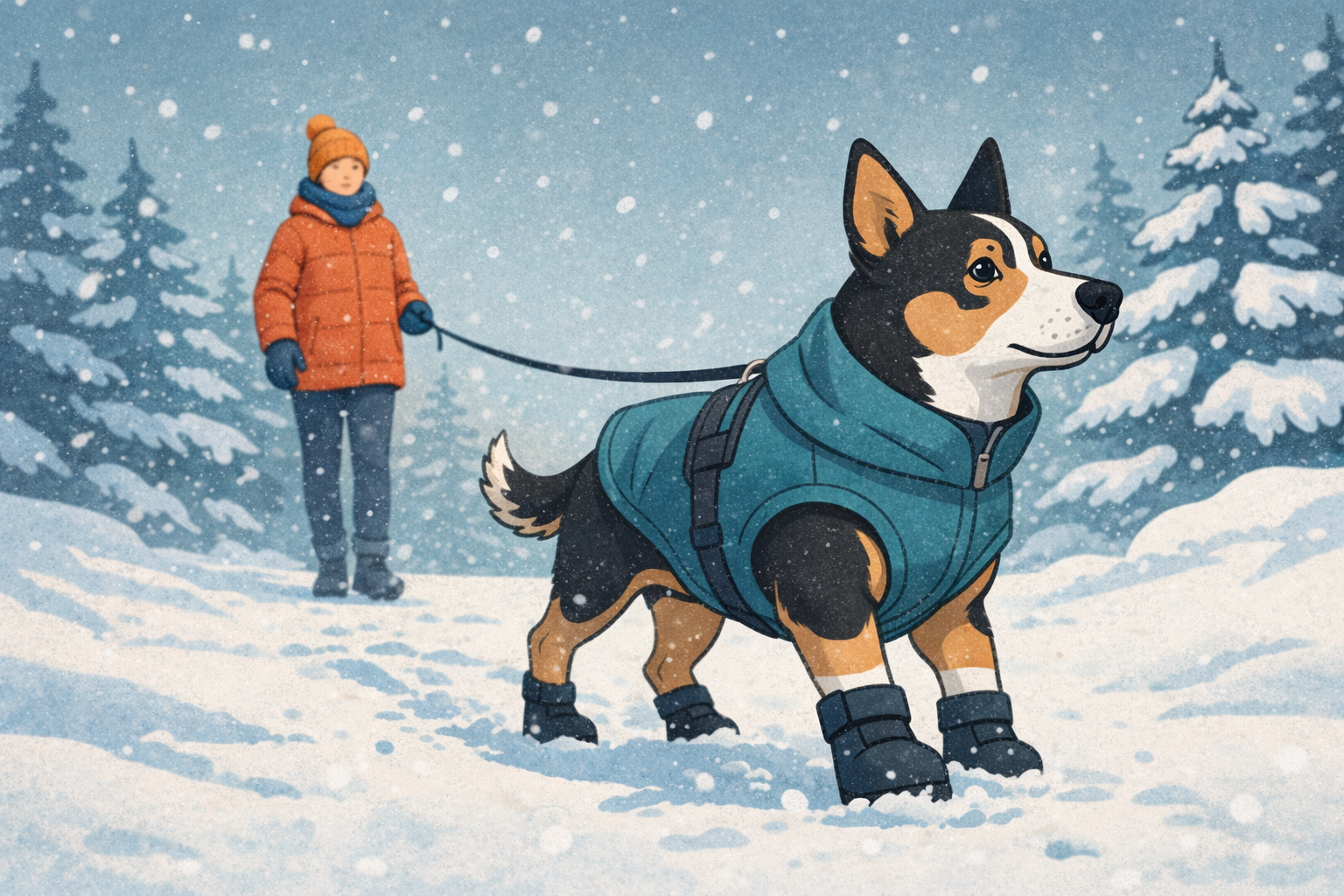
Walking a dog in very cold weather or snow can be invigorating, practical and even joyful — but it demands more preparation than a casual stroll in mild temperatures. Cold, wind, ice and snow affect dogs differently depending on size, coat, age and health. They also affect the human at the other end of the leash. The right gear does not just add comfort; it can prevent injury, frostbite and accidents. As winter weather becomes more extreme and unpredictable in many regions, thoughtful preparation has become part of responsible pet ownership.
Understanding your dog’s cold tolerance
Before buying gear, it helps to understand what your dog actually needs. Not all dogs experience cold the same way. Large, double-coated breeds like huskies, malamutes and Bernese mountain dogs are often comfortable in snow, while short-haired or small dogs can struggle quickly. Puppies, senior dogs and those with arthritis or chronic illness are more vulnerable to cold stress.
Even cold-tolerant dogs may need protection in icy or salted environments. Snow clumps between toes, sharp ice edges and chemical deicers can irritate or injure paws. Gear choices should be based on conditions, not assumptions about toughness.
Leashes designed for winter conditions
A standard leash can become a liability in freezing weather. Nylon stiffens in extreme cold, while leather can become brittle if not treated properly. Many winter walkers opt for leashes made from rubberized webbing or coated materials that remain flexible and provide grip even when wet.
Reflective stitching or embedded reflective strips are particularly important in winter, when daylight hours are shorter and visibility is reduced. In snowy conditions, contrast matters; a dark leash against a dark coat can disappear in low light. For hands, leashes with padded handles or loops large enough to accommodate gloves reduce strain and slipping.
Harnesses over collars for icy footing
Harnesses are often preferable to collars in winter, especially on snow or ice. If a dog slips, a harness distributes pressure across the chest and shoulders rather than the neck. This reduces the risk of injury and gives the handler more control during sudden movements.
Winter-friendly harnesses are adjustable over coats and sweaters, with buckles designed to resist ice buildup. Look for models with easy-to-operate clasps that can be handled with gloves on. Like leashes, reflective elements are a key safety feature.
Boots and paw protection
Dog boots remain one of the most debated pieces of winter gear, but in many environments they are genuinely useful. Boots protect paws from ice, packed snow, sharp debris and chemical deicers, which can cause burns or cracking. They also help dogs with sensitive paws or mobility issues maintain traction.
Fit is crucial. Boots that are too loose will twist or fall off; too tight and they restrict circulation. Many dogs need a gradual introduction period to adjust to the sensation. For dogs that refuse boots, alternatives include paw waxes or balms that create a protective barrier. These require reapplication and do not provide insulation, but they can reduce irritation.
Coats, jackets and insulation
Dog coats are not fashion accessories; in winter they are functional equipment. Short-haired, thin-coated and small dogs benefit most, but even larger dogs may appreciate insulation during prolonged exposure or high winds. A good winter coat covers the core, including the chest and belly, without restricting movement.
Materials matter. Water-resistant outer layers keep melting snow from soaking fur, while fleece or insulated linings retain body heat. Adjustable straps ensure a snug fit, and openings for harness attachment are increasingly standard. As with human outerwear, breathability prevents moisture buildup that can actually increase chill.
Human gear matters too
A poorly equipped handler is a safety risk to the dog. Slipping on ice while holding a leash can lead to injury for both. Footwear with proper traction is essential; many winter walkers choose boots with aggressive tread or add removable ice cleats in extreme conditions.
Gloves should balance warmth with dexterity. Bulky mittens make leash handling difficult, while thin gloves may not protect fingers from frostbite. Layering systems, hand warmers and windproof outer gloves can make long walks manageable.
Visibility and lighting in winter darkness
Winter walking often happens in low light. Reflective gear is helpful, but active lighting can be better. LED collar lights, leash lights or clip-on beacons increase visibility to drivers, cyclists and other pedestrians. White or bright colors stand out better against snow than dark or earth tones.
Headlamps or chest-mounted lights help humans see icy patches and uneven ground. This not only prevents falls but also allows earlier detection of hazards that could injure a dog’s paws.
Hydration, nutrition and post-walk care
Cold weather can mask dehydration. Dogs still need access to water after winter walks, and active dogs may need slightly increased calories to maintain body temperature. Post-walk routines matter as well. Towel drying removes ice and moisture, while paw checks catch cracks, cuts or embedded ice balls early.
Some owners keep a small “winter kit” near the door: towels, paw balm, treats and wipes. This ritual helps ensure no detail is overlooked when returning from the cold.
Knowing when not to walk
No gear can make every condition safe. Extreme cold warnings, severe wind chills or ice storms are legitimate reasons to shorten or skip walks. Indoor play, puzzle toys and short bathroom breaks may be safer alternatives. Paying attention to a dog’s behavior — lifting paws, shivering, refusing to move — is often the clearest signal that conditions are too harsh.
A matter of respect, not indulgence
Outfitting a dog for winter is not about coddling. It is about recognizing that dogs experience the environment differently than humans and cannot choose their clothing or terrain. The right gear respects the animal’s comfort, safety and dignity while allowing shared outdoor routines to continue year-round.
Winter walking, done thoughtfully, can deepen the bond between dog and human. Crisp air, quiet streets and fresh snow offer a different rhythm — one that rewards preparation and care.
========
This article was written, in part, utilizing AI tools.








Comments