Mind your heart for a longer, healthier life
Published in Health & Fitness
Stories about people with remarkably long life spans — like the Spanish woman who died at the age of 117 earlier this year — often spark speculation about longevity secrets. They’ve also fueled the growing interest in longevity clinics. But what does the science actually say?
“There are plenty of affordable, proven strategies to live a longer, healthier life,” says Heart Letter editor in chief Dr. Chris Cannon. One of the nation’s leading cardiologists, Dr. Eric Topol, has a longstanding interest in these strategies, which he details in his 2025 book, “Super Agers: An Evidence-based Approach to Longevity.” Super-agers are people who reach the age of 70 without any major diseases such as heart disease, cancer, or dementia, according to Topol, founder and director of the Scripps Research Translational Institute in La Jolla, California.
Earlier in his career, Topol led multiple clinical trials that transformed how we prevent and treat heart attacks. It turns out that the lifestyle habits that protect your heart also lower your risk of other common chronic conditions. Here, Cannon shares the ways he incorporates three of Topol’s key suggestions into his own life and the advice he shares with his patients.
Longevity clinics: A pricey promise
In recent years, commercial longevity clinics have cropped up around the country. They offer a range of advanced tests and therapies that promise to extend your “health span” — the period of life spent in good health, free from chronic disease and disability. With costs ranging from $5,000 to $100,000 or even more for a year of services, these clinics are out of reach for most people. That’s not necessarily a bad thing, since many promote unproven methods and supplements.
Pump up your workouts
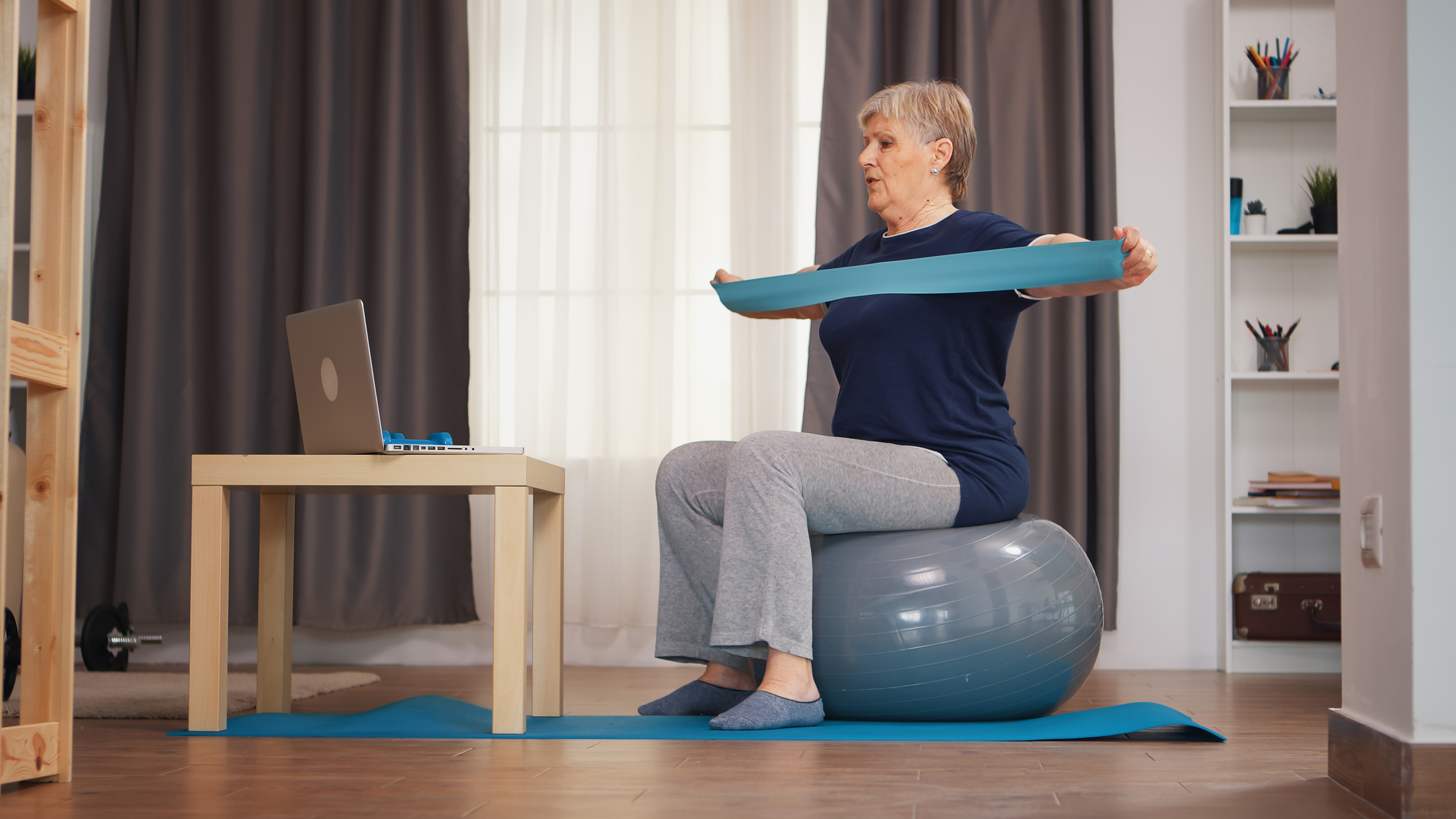
“I stopped going to the gym during COVID but recently started up again. The growing evidence about how strength training supports cardiovascular health inspired me to start doing CrossFit twice a week. I find that being in a class helps me push myself a bit harder than lifting weights on my own,” says Cannon.
“The benefit of resistance training also is key for preserving muscle mass, enabling you to continue exercising as you age. But I’ve learned to tone down my efforts and pay careful attention to my form because I injured my shoulder — a partial tear in the rotator cuff — a few years back. If you’re in the same boat, whether it’s your shoulder, hip, knee, or another joint, I’d recommend working with a physical therapist or personal trainer who has expertise in helping people safely transition back to exercise after an injury.”
What is CrossFit?
Described as “constantly varied, high-intensity functional movements,” CrossFit workouts feature a rotation of exercises over a set period. For instance, you might do five pull-ups, 10 push-ups, and 15 squats, and repeat the sequence for 20 minutes. There are thousands of CrossFit gyms throughout the United States that offer classes, which can be modified based on your age, health, and ability. You can also do a free, simple CrossFit workout at home using everyday objects (such as milk jugs and brooms).
Eat a mostly vegetarian diet
“My wife has been a vegetarian for at least 10 years, and her influence has definitely rubbed off on me,” says Cannon. “We enjoy making veggie burgers and various dishes featuring tofu. Eating meals that feature mostly whole or minimally processed grains, beans, fruits, and vegetables is strongly linked to cardiovascular benefits. I’m not a strict vegetarian, as I’ll often have chicken or fish when I eat out at a restaurant. But this flexitarian eating pattern is endorsed by nutrition experts at the Harvard T.H. Chan School of Public Health.”
Sleep well
“The importance of sleep has been on my radar since 2017, when I collaborated on a study that found that sleeping less than six hours a night is linked to recurrent heart attacks and related problems,” says Cannon. “I make a conscious effort to sleep at least seven hours every night. As many sleep experts will tell you, people often miss sleep due to stress and late-night screen time. That’s why I avoid the news late at night! I also read actual books instead of an electronic device, which prevents me from getting drawn in by email and other online distractions, but also calms me prior to sleeping.”
(Julie Corliss is the executive editor of Harvard Heart Letter.)
©2025 Harvard University. For terms of use, please see https://www.health.harvard.edu/terms-of-use. Distributed by Tribune Content Agency, LLC.





Comments