Cosmetic surgery is on the rise globally, with social media and celebrities reducing taboos and influencing beauty ideals
Published in News & Features



Nearly 18 million cosmetic surgeries were performed worldwide in 2025, increasing by roughly 25% since 2021.
Without question, social media has had a significant impact on the global perception of plastic surgery. Surgeons and patients commonly share detailed stories about cosmetic surgery experiences, and celebrities around the world are increasingly candid about their own procedures. This openness has reduced the taboo surrounding this once hidden area of self-investment.
One of us is a medical student, and the other is a practicing plastic surgeon who previously served as president of the American Society of Plastic Surgeons. Through our research, we have identified a few key themes shaping cosmetic surgery globally.
Notably, social media has created some shared aesthetic trends, such as “Instagram Face.” Popularized by filters, this look is defined by full lips and high cheekbones, blending features from different ethnicities into one aesthetic.
But cultural identity continues to influence regional beauty standards, reflected in the different types of procedures prioritized around the world.
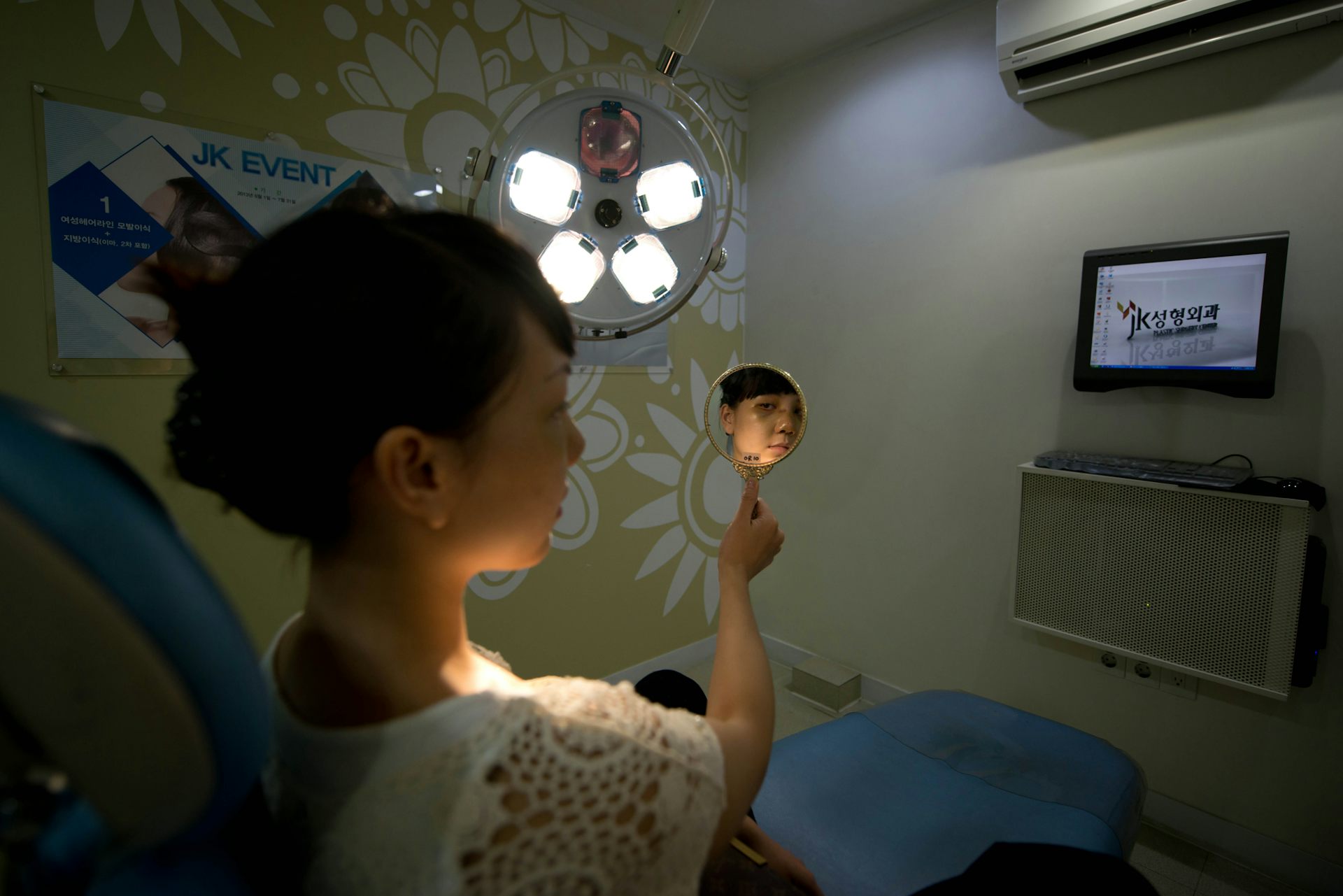
South Korea, often called the plastic surgery capital of the world, performs more cosmetic surgeries per capita than any other country, at roughly 16 procedures per 1,000 people.
It is also a major destination for medical tourism. About 1 in 10 cosmetic surgery patients in South Korea travel from abroad, primarily from China, Japan and the U.S.
In this market, K-pop and K-drama celebrities are widely seen as setting the standard for beauty.
More than 70% of cosmetic surgeries in South Korea are facial procedures. The most popular and well-known procedure is double eyelid surgery, which creates a crease in the upper eyelid, a feature that about half of East Asians are born without. Other common procedures include facial fat grafting, brow lifts and rhinoplasties.
Cosmetic surgery is widely accepted in South Korean culture, and it is viewed as an investment for social and professional success, rather than an act of vanity. One survey found that 90% of South Korean women ages 20 to 69 had been exposed to cosmetic surgery advertising.
China’s cosmetic surgery market is one of the fastest growing in the world, with 1.4 million cosmetic surgeries performed in 2025 – a rate of 1 surgery per 1,000 people. As in South Korea, procedures were predominantly focused on the face, and the No. 1 procedure was eyelid surgery.
A survey of Chinese female college students found that the top influences in getting cosmetic surgery were peers, pressure to stand out in an extremely competitive job market and social media exposure.
Social media has helped codify and perpetuate specific beauty ideals. For example, the term “melon seed face” was coined to describe the traditional Chinese beauty standard of an oval face shape with a slim, V-shaped jawline.
China’s plastic surgery market is simultaneously redefining how consumers find and access procedures. More than 60,000 plastic surgery clinics use platforms like Douyin, China’s version of TikTok, to advertise their services.
Dedicated cosmetic surgery apps such as GengMei and SoYoung increase accessibility by using AI to analyze users’ faces, connecting them with local clinics and even helping finance surgery payments.
While Brazil is the seventh-largest country in the world by population, it ranks first in the total number of cosmetic procedures performed globally. This market performed approximately 2.4 million surgeries at a rate of 11 per 1,000 people in 2025.
In contrast to South Korea and China, which emphasize facial procedures, Brazil’s market is defined by body contouring. In fact, this is true for much of Latin America. Liposuction – a surgery that uses suction to remove body fat – is the most commonly performed procedure, followed by breast augmentations and abdominal and buttock procedures.
Brazil’s emphasis on body shape and lower body aesthetics is so well known that it inspired the name of one of the world’s most popular procedures – the Brazilian Butt Lift, or BBL – despite the fact that it may not have actually originated in Brazil.
Cosmetic surgery in Brazil is highly accessible across all socioeconomic classes, rooted in the philosophy that everyone has a “right to beauty.” Brazil is one of the only countries where public hospitals offer cosmetic surgery for free to those who cannot afford it.
The U.S. ranked second globally in cosmetic surgery volume, just behind Brazil, with approximately 2.2 million procedures in 2025, at a rate of about 6.5 surgeries per 1,000 people. And like Brazil, the U.S. predominantly performs body contouring surgeries over facial surgeries.
The U.S. is unique in that it performs the highest number of nonsurgical procedures, such as fillers, botox and chemical peels. This may reflect a growing preference for subtle changes through minor, short-term treatments over major surgical makeovers.
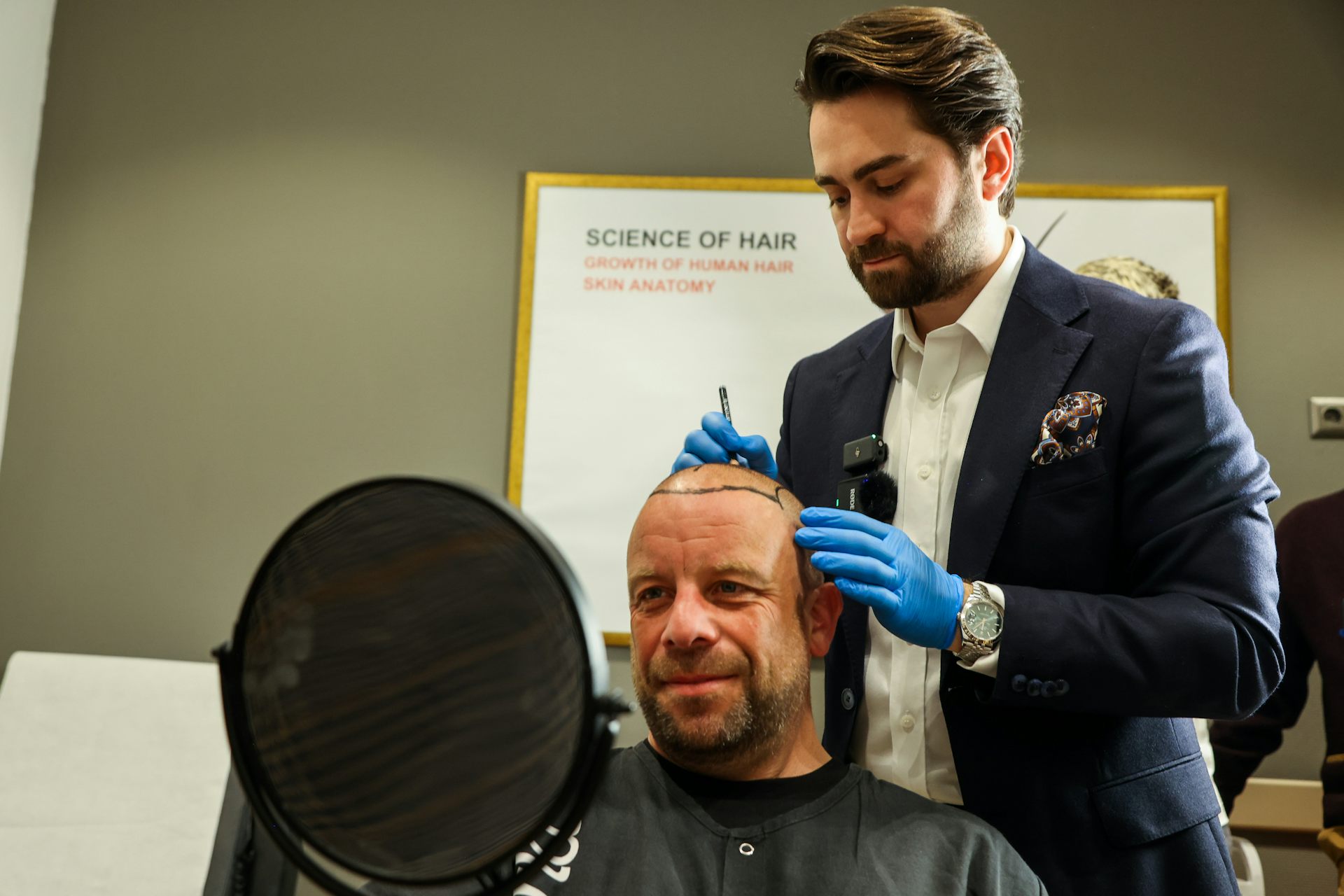
Turkey is one of the world’s top destinations for medical tourism. According to Turkey’s Ministry of Health, more than 1.5 million people traveled to Turkey for medical procedures in 2024, generating US$3 billion in revenue.
This is largely driven by Turkey’s hair transplant industry, with numerous high-volume clinics offering low-cost procedures and travel packages. The Turkish Health Tourism Association estimated 1 million tourists spent $2 billion for hair transplants in 2022 alone.
Besides hair transplants, Turkey performs approximately 800,000 cosmetic surgeries annually, at a rate of nine surgeries per 1,000 people. Roughly 30% of patients travel from abroad for these procedures, primarily from Germany, the U.K. and the U.S.
Innovations in surgical techniques, technology and marketing have made cosmetic procedures more attainable to the average person. Cosmetic surgery is likely to continue growing as social media and cultural normalization help remove the mystery and secrecy surrounding these procedures.
This article is republished from The Conversation, a nonprofit, independent news organization bringing you facts and trustworthy analysis to help you make sense of our complex world. It was written by: Scott Hollenbeck, University of Virginia and Amy Wen, University of Virginia
Read more:
In Brazil, patients risk everything for the ‘right to beauty’
What The Weeknd’s changing face says about our sick celebrity culture
‘I’ll have what she’s having’ – how and why we copy the choices of others
The authors do not work for, consult, own shares in or receive funding from any company or organization that would benefit from this article, and have disclosed no relevant affiliations beyond their academic appointment.







Comments