Why over two-thirds of Americans say their country is in decline
Published in Political News
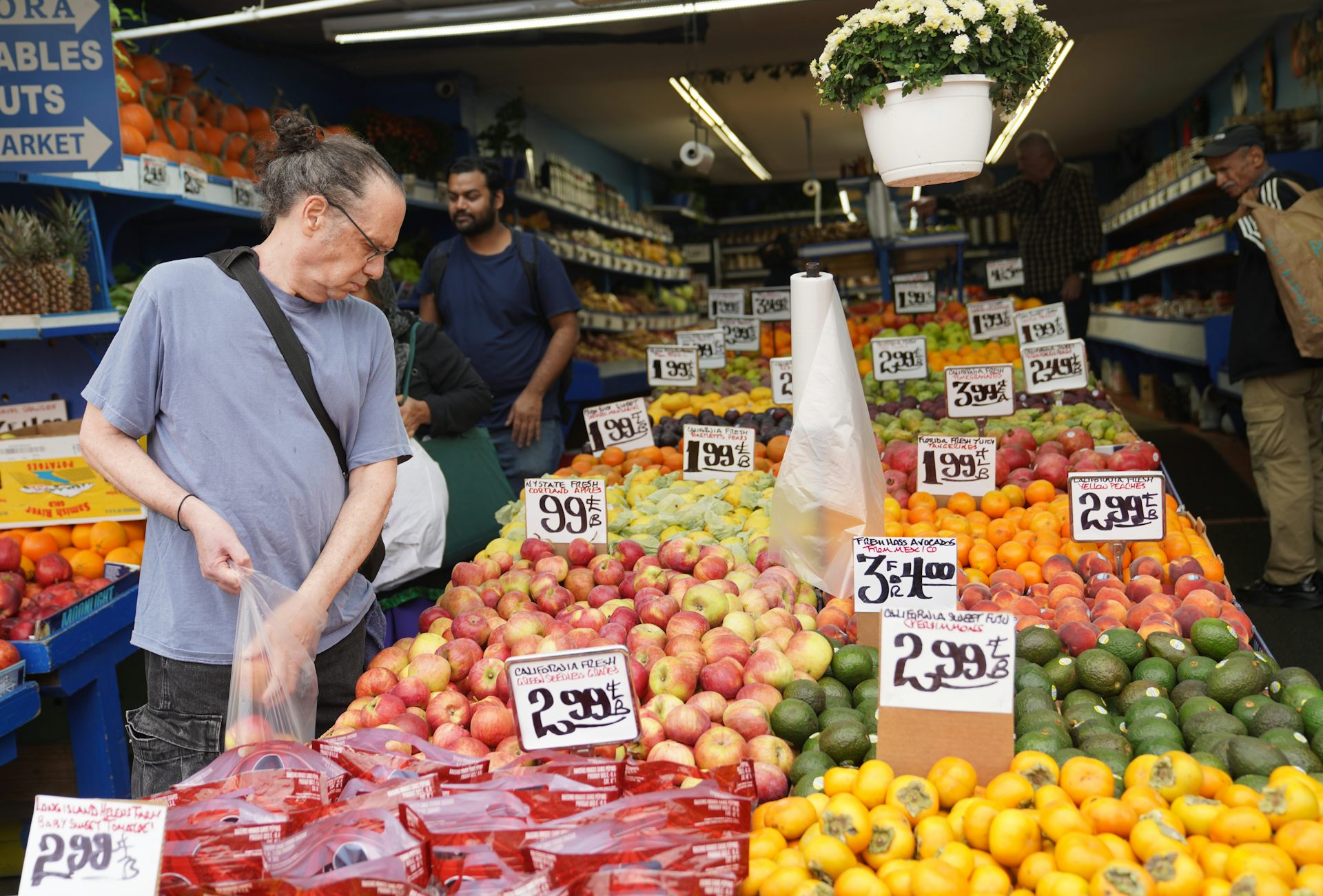
Inflation is causing real economic pain. Worries about healthcare costs have jumped sharply. And 7 in 10 Americans believe the country is in decline.
That is the landscape for the 2026 midterm election, according to a new survey from the American Communities Project at Michigan State University, which I direct.
The findings, which follow up previous data work the American Communities Project has done in 2023, 2024 and 2025, come from a survey of 2,155 American adults over two weeks in September 2026, conducted by the survey research firm SSRS, using an online panel and telephone, with a margin of error of +/- 2.4 percentage points.
The American Communities Project studies 15 types of communities. Taken as a whole, the national numbers reveal an electorate that is unsettled, gloomy and likely looking for change.
Cost of living is a unifying concern for all Americans. For the past four years, when given a list of 20 issues – including abortion, climate change, gun violence, drug addiction, education, healthcare, housing, immigration and taxes – respondents have consistently reported that inflation is the No. 1 issue in their community.
But the new data shows something more significant. Almost half of Americans, 47%, say they are experiencing real pain from rising prices – a sharp rise from previous years.
In 2023, 2025 and 2026, we asked respondents whether they were experiencing “serious financial problems” due to price increases. In July 2023, 27% answered yes. In 2025, 30% said yes. In 2026, 47% said yes. This significant swing underscores that many Americans across the country are really hurting in this economy.
For some groups, concern about costs reached well above 50%. For those ages 18-29 – members of Gen Z – 61% said they are dealing with serious financial problems because of price increases, the highest percentage among the four generational cohorts, including ages 30-49, 50-64 and 65+.
Cost of living was also a particular concern reported among people of color. Overall, 65% of Hispanics and 63% of Black Americans said they are experiencing serious financial problems because of price increases.
Healthcare emerged as a top issue in our new survey.
In 2025, 20% of respondents said it was a top concern in their community. This year, 30% cited healthcare as a top concern, a 10-point jump. That shift also made healthcare the No. 2 issue in this survey, after inflation.
For some demographic groups, concern about healthcare in their community reached above one-third of respondents. Among those whose income falls between US$75,000 and $99,999, 36% said healthcare is a top issue; among Black Americans, 35% said so.
This tracks with the policy changes and public health challenges since our 2025 survey. Many have lost health insurance, hospitals have closed, and disease outbreaks have affected communities.
It also may be tied to increasing costs overall. The pain people feel from inflation in healthcare can be especially acute because the dollar amounts can be large.
The 2026 survey data also showed a 15-point jump in the percentage of Americans who agree with the statement: The United States is in decline. The number is at 70% this year, up from 55% in 2025.
In some ways that number makes sense. Consider the other numbers mentioned here – pain from inflation and concerns about healthcare – and the mood of Americans in general.
But there is another important point in the data. That number, 70%, is exactly what it was in 2023, the first year the American Communities Project did a survey. In 2025, the “decline” number dropped to 55%, and that change was largely driven by communities that voted for President Donald Trump in the 2024 presidential election.
It was a measure of hope for the future, and it showed in massive improvements in the general hopefulness in communities such as the evangelical hubs, concentrated heavily in the South, rural middle America and the middle suburbs.
The fact that the “decline” number is back to 70% suggests those same Trump-supporting communities have seen their hopes take a hit – and a deeper analysis of the data on the American Communities Project website shows just that.
At the very least, the data suggests a very disillusioned electorate.
It’s important to keep the 2024 election in mind as the 2026 midterm elections near. It’s a sign of how opinions and attitudes can change – and quickly.
The data here represents this moment in time, and it will likely move after November, which is why we will field this same survey again after the new Congress is seated.
On Oct. 26 we released our more detailed community-level findings on the American Communities Project website. This data explores how opinions and attitudes differ depending on where and how people live.
This article is republished from The Conversation, a nonprofit, independent news organization bringing you facts and trustworthy analysis to help you make sense of our complex world. It was written by: Dante Chinni, Michigan State University and Ari Pinkus, Michigan State University
Read more:
Why Americans seeking affordable doctor visits and medicines abroad may misjudge healthcare quality
It’s not just high gas prices – inflation is now spreading through the US economy
Why rural healthcare fund’s B focus on tech upgrades may not help vulnerable hospitals and providers
Dante Chinni receives funding from the Robert Wood Johnson Foundation.
Ari Pinkus receives funding from the Robert Wood Johnson Foundation.















































Comments