Chiricahua is the nation’s newest national park – what does that mean?
Published in Science & Technology News
With a stroke of a pen, President Donald Trump has officially created the United States’ 64th national park.
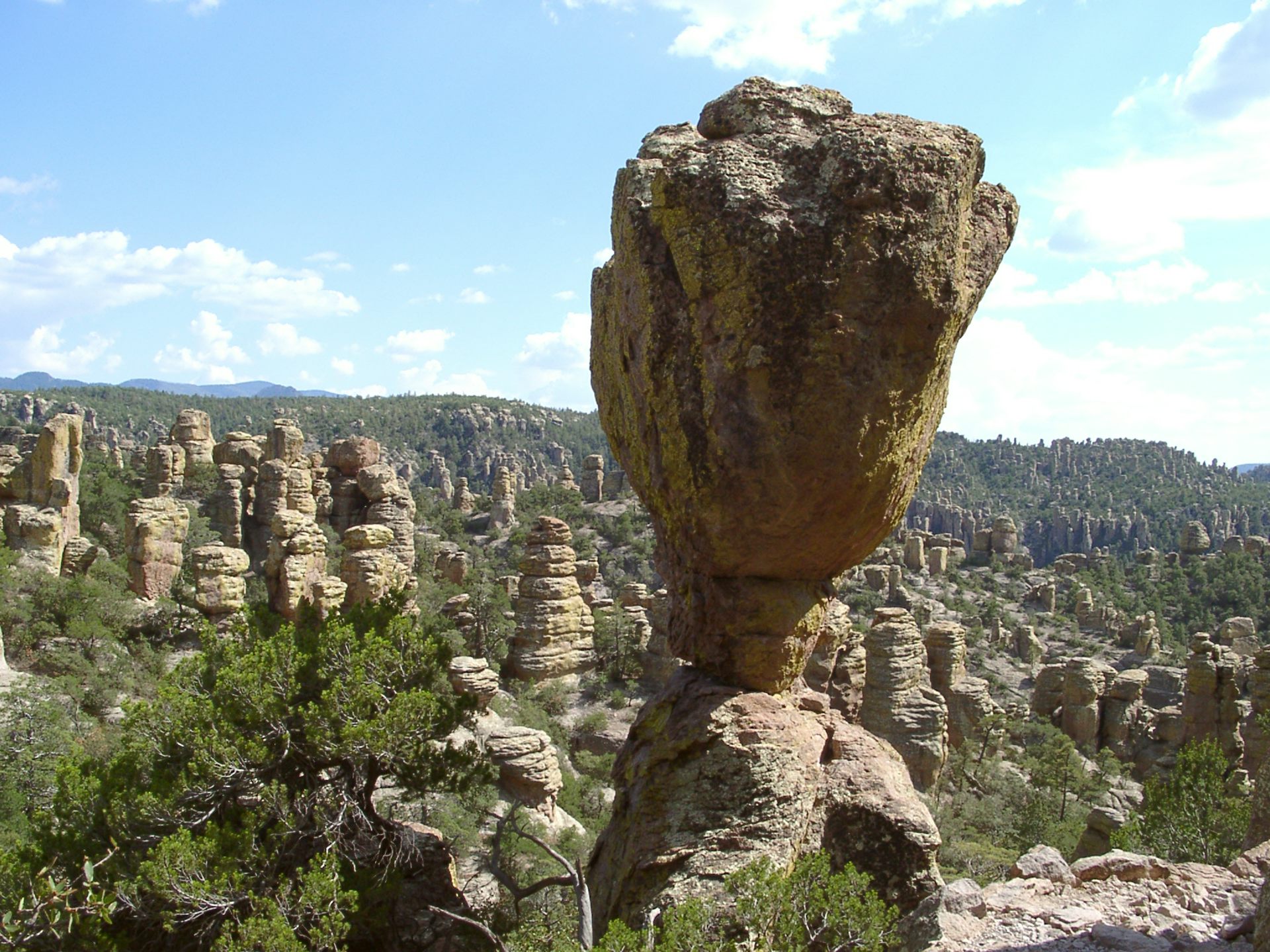
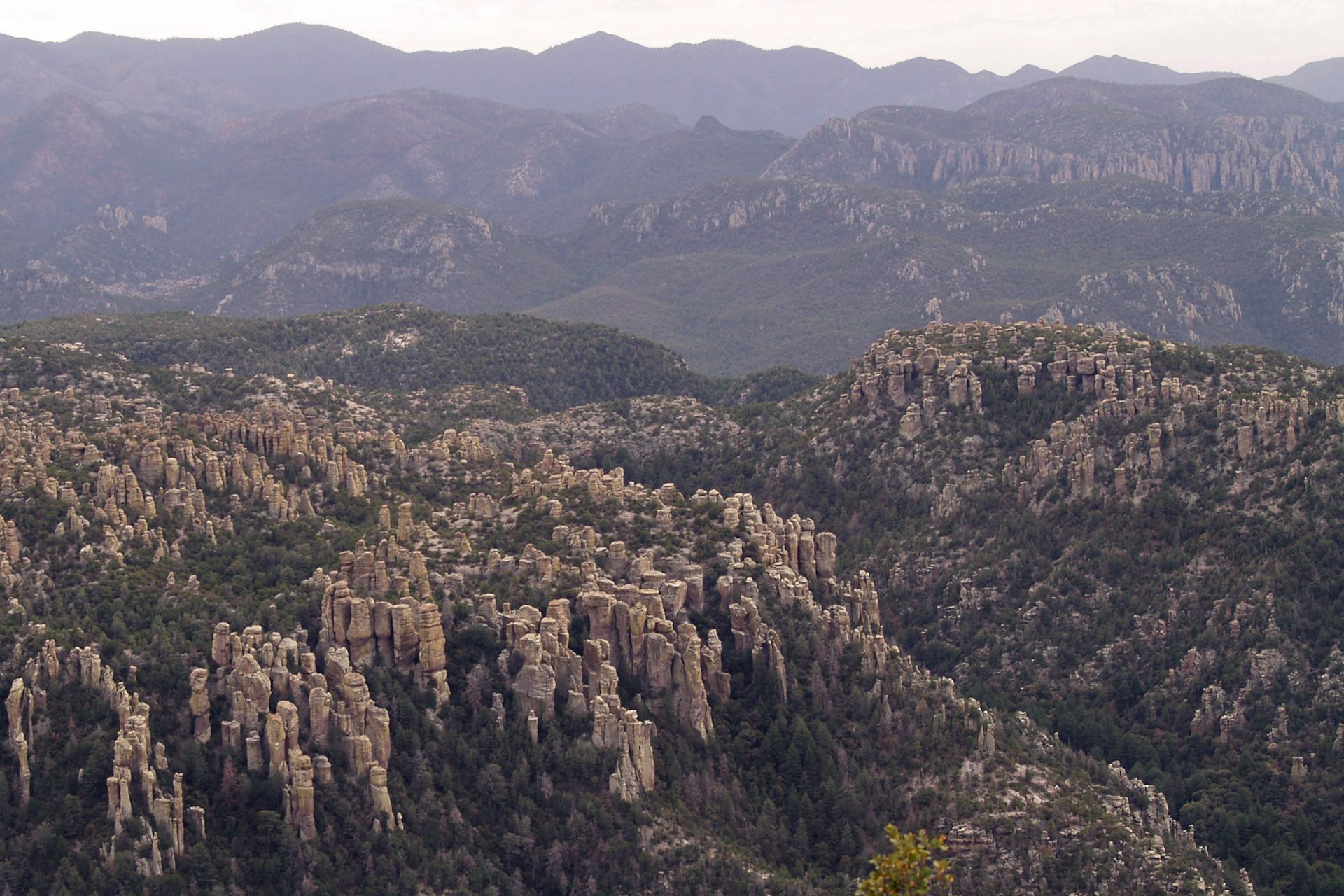
Chiricahua, in southeastern Arizona, was established as a national monument in April 1924 to protect its towering rhyolite hoodoos – tall spires of rock – and diversity of wildlife. The mountainous landscape is commonly known as a “wonderland of rocks.”
An act of Congress, signed by Trump, has now designated the 12,000-acre property a national park, the flagship label of the National Park Service system. It joins the Grand Canyon, Petrified Forest and Saguaro as the fourth national park in Arizona.
As a geographer who studies parks and the naming of places, I have seen that when a National Park Service property is redesignated as a national park, the new label doesn’t typically include much change for the site itself beyond signs and branding.
There’s not usually more money available to manage or protect the site. But the new title serves political purposes and could mean quite a lot to visitors, supporters and surrounding communities alike in the coming years.
The National Park Service manages 433 properties, which it calls units, with 19 different designations, such as “national battlefields,” “national lakeshores” and “national scenic trails.” Only 64 of these units carry the formal title or designation of “national park.”
All but one of these categories can be bestowed only by Congress. National monuments can be created by the president directly, under the provisions of the Antiquities Act of 1906.
For example, the Antiquities Act has been at the center of a decade-long controversy over the size of Bears Ears National Monument, which President Barack Obama created to protect 1.3 million acres in Utah in December 2016. That same act allowed Trump to shrink the protected area to 200,000 acres in 2017 and President Joe Biden to reexpand it to 1.3 million acres in 2021. In 2026, Trump slashed it again, to 121,000 acres.
My previous analysis of the contentious redesignation of the Jefferson National Expansion Memorial in St. Louis to Gateway Arch National Park in 2018 found that it was not done to offer additional protection for this monument to the United States’ Western exploration and growth.
Rather, the move was meant to take advantage of the public significance of the “national park” label and thereby attract more tourists and tourism revenue to the local economy.
The effort to make it a national park was part of a local campaign to renovate the underground visitor center, revitalize the park grounds and increase tourism. But the law that formalized the change included no additional funding, resources or protections for the Gateway Arch.
Changing the designation contradicted the park service’s own declaration that the term “national park” should be used for an area that “contains a variety of resources and encompasses large land or water areas to help provide adequate protection of the resources.”
During congressional hearings, the deputy director of the National Park Service, Robert Vogel, recommended the Gateway Arch not be labeled a national park but rather a national monument, because it “is too small and limited in the range of resources the site protects and interprets to be called a national park.”
Gateway Arch National Park is now the smallest-area park in the U.S., at less than 200 acres, and is home to a large steel arch, an open lawn area, a museum and a single historic building – a courthouse where one of the Dred Scott trials was heard, along with other civil rights cases.
However, it does not provide opportunities to view wildlife in its natural habitat, spectacular geologic features, diverse outdoor recreation opportunities or a sense of wilderness that the public has come to expect from national parks.
The park’s website admits “it is unusual for a national park to have no natural plant life” and describes the park as adjacent to the “concrete jungle of downtown St. Louis.”
Although Chiricahua’s rocky landscapes and archaeological evidence of long-standing Indigenous use and occupation more closely resembles what many people expect for a national park, it likely will receive some of the same public critique that the Gateway Arch and other national parks redesignated during the first Trump administration have received.
In rare cases, a community, group or other organization proposes adding an area that is not currently managed by the National Park Service to the system, but that process takes a lot of time.
It is more common to change the formal designation of a property already within the system, as has happened with this redesignation of Chiricahua.
Similarly, Indiana Dunes National Lakeshore became Indiana Dunes National Park in 2019. That same year, White Sands National Monument in New Mexico became White Sands National Park. And in 2020, New River Gorge National River in West Virginia became New River Gorge National Park and Preserve.
There are redesignation efforts underway seeking to make national parks in other locations as well, including the Delaware Water Gap National Recreation Area in New Jersey and Pennsylvania, Apostle Islands National Lakeshore in Wisconsin, and Rock Creek Park in the District of Columbia.
In my measure, it is simply a waiting game to see whether these National Park Service sites will also be redesignated to national parks.
Making Chiricahua a national park was a bipartisan effort – co-sponsored by Arizona U.S. Reps. Juan Ciscomani, a Republican, and Greg Stanton, a Democrat – that has received some opposition for several reasons.
The complaints have highlighted fears that the new label will bring increased tourism and overcrowding in what is considered a small park with limited infrastructure. Now that Chiricahua has been redesignated, the potential influx of new visitors in the coming years could affect the more personal and isolated experience that they currently appreciate.
However, the only real changes in these places would be in marketing – the signs, brochures and merchandise sold in gift shops. But these changes have an important effect: The tagline of “new national park” markets well to potential visitors.
But the funding that Chiricahua receives from the federal government will not change, and the label of “national park” won’t actually protect this landscape any better than it already is under the stewardship of the National Park Service.
This article includes material previously published in an article about the potential redesignation of Ocmulgee Mounds on Dec. 8, 2025.
This article is republished from The Conversation, a nonprofit, independent news organization bringing you facts and trustworthy analysis to help you make sense of our complex world. It was written by:
Read more:
Hidden treasures of America’s national parks are closer than you might think
Yosemite, again in corporate crosshairs, embodies the long war over US national park privatization
Small businesses at the gateways to America’s national parks face 4 big risks – including changing boundaries and extreme weather
Seth T. Kannarr does not work for, consult, own shares in or receive funding from any company or organization that would benefit from this article, and has disclosed no relevant affiliations beyond their academic appointment.







Comments