What Philly can – and can’t – do to reduce the number of people killed in car crashes
Published in Health & Fitness
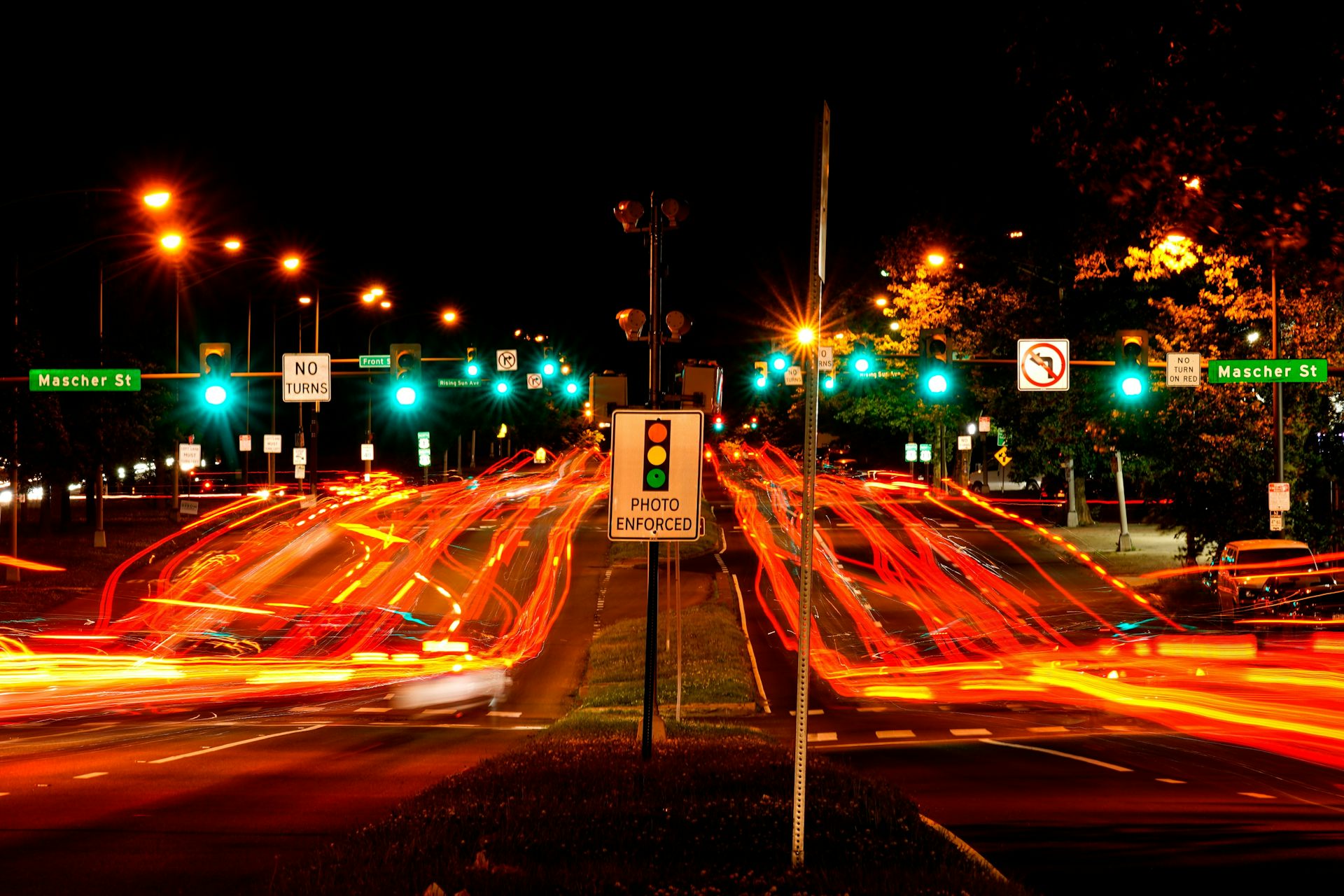
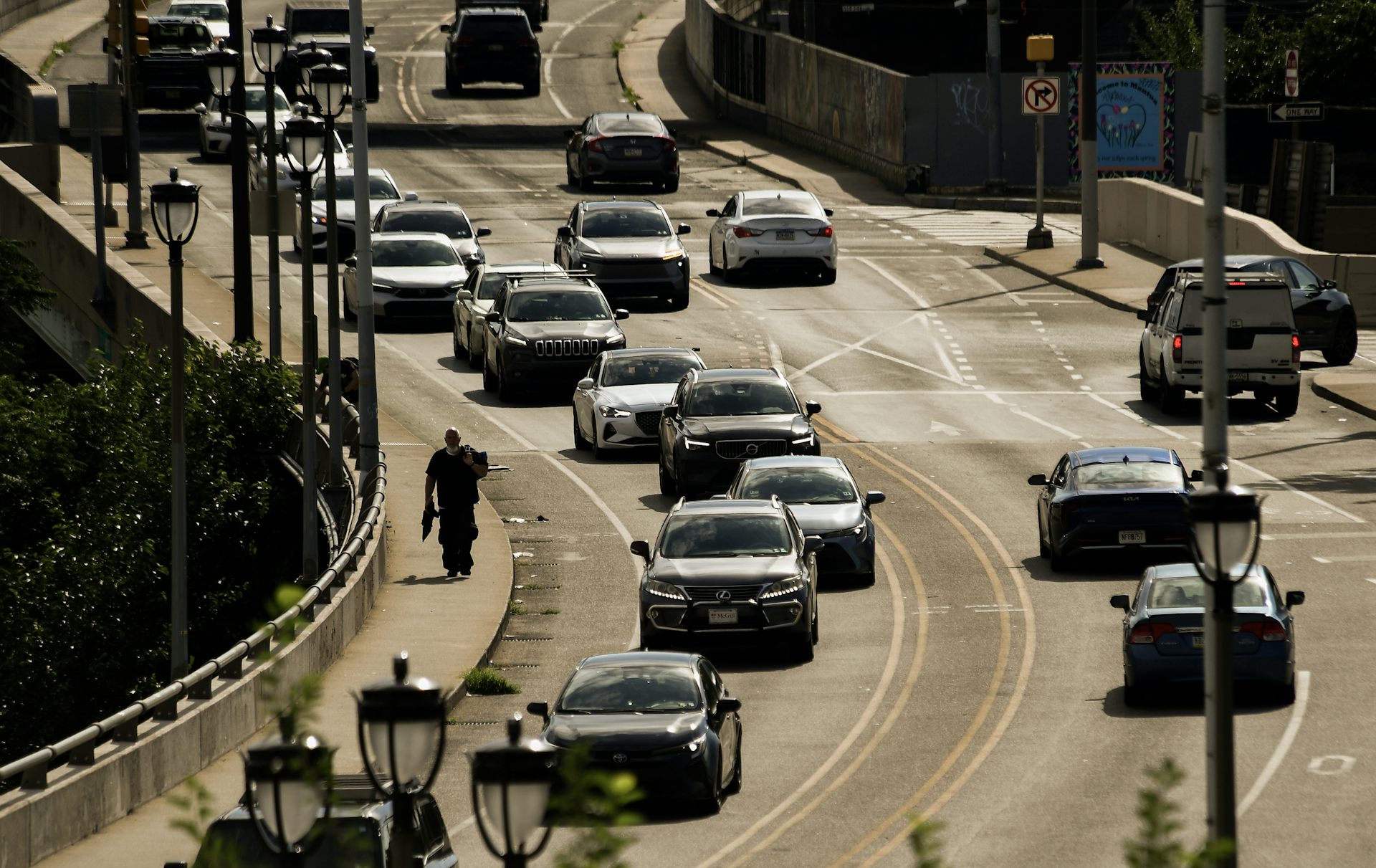
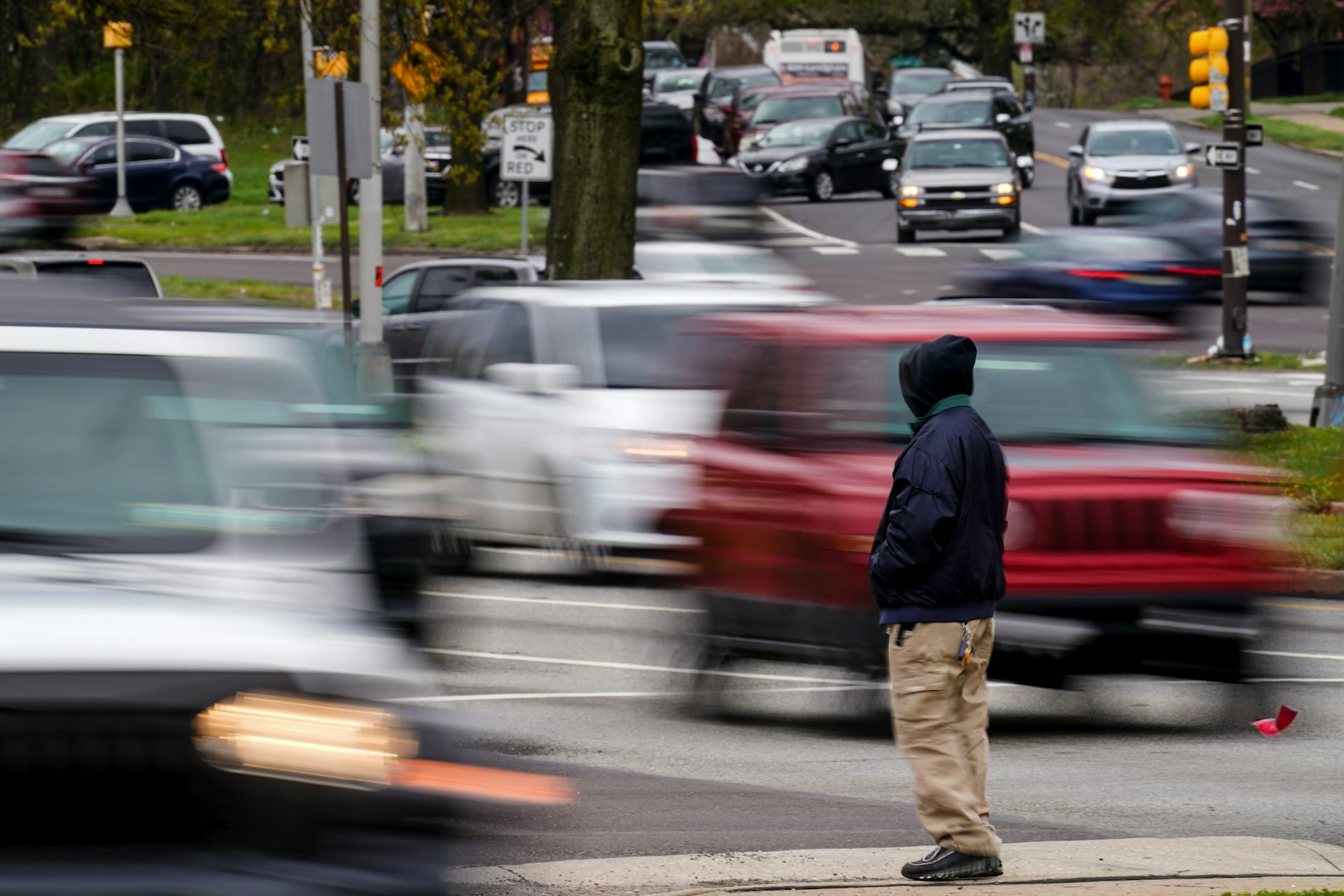
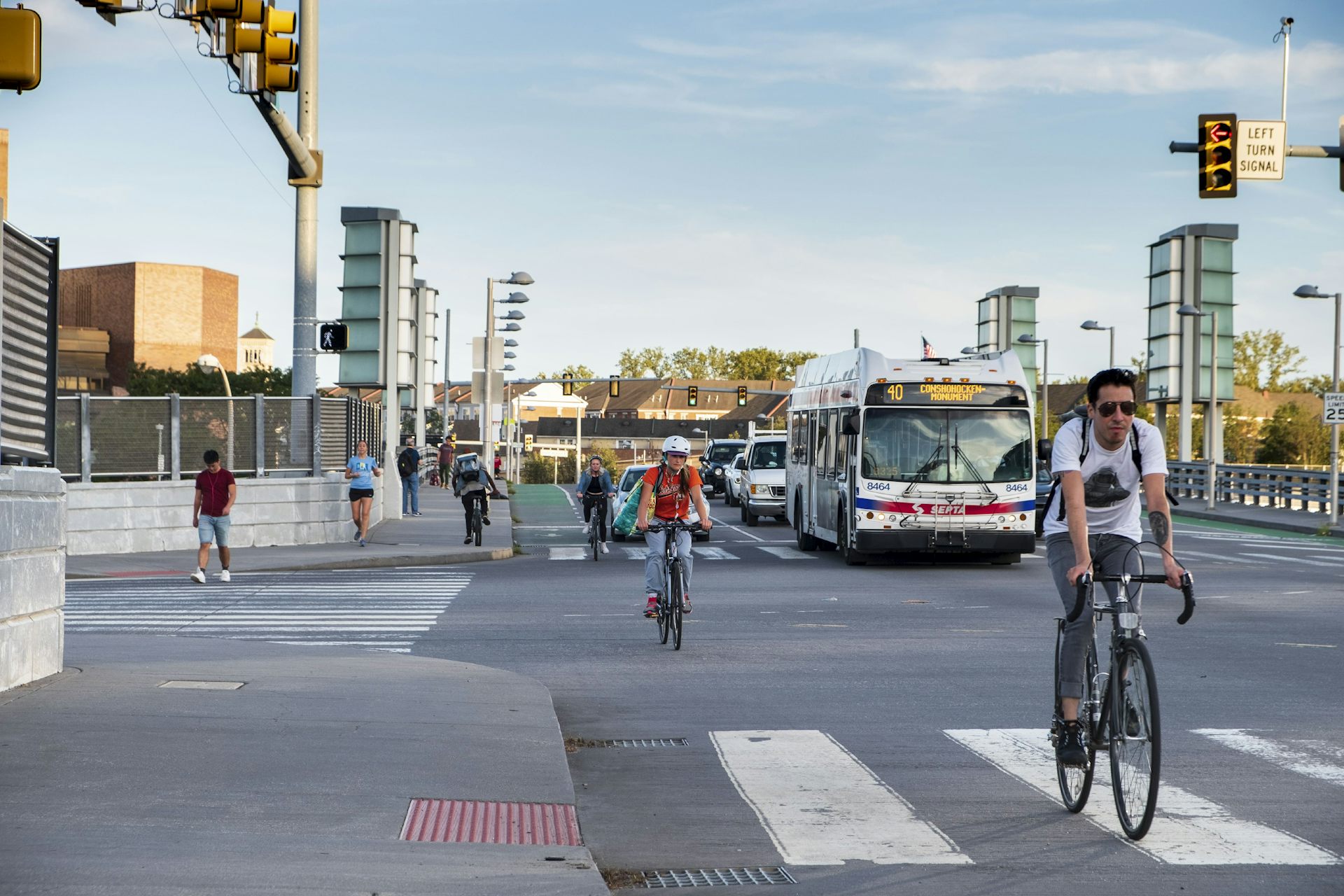
Philadelphians die in traffic crashes more than people who live in Chicago, Boston, Washington and New York.
In fact, three times more Philly residents than New Yorkers died in traffic crashes in 2024, according to a report from the Philadelphia city controller’s office based on the most recent data available.
I research road traffic safety, and nearly two years ago I wrote about what Philadelphia can do to address its pedestrian and bicyclist traffic fatalities in response to the death of Dr. Barbara Freides, a pediatric resident at Children’s Hospital of Philadelphia who was fatally struck by a drunk driver while biking though Center City.
Freides was one of 137 traffic deaths in 2024 in Philadelphia, and while that decreased to 101 in 2025, according to the Pennsylvania Department of Transportation, Philadelphia remains an outlier compared with its peers.
Despite making important traffic safety investments and policies, even before Freides’ death, Philadelphia is still far from reaching its Vision Zero goals. Vision Zero originated in Sweden and is a policy strategy to reduce road traffic deaths to zero deaths annually.
Who in Philadelphia is most affected by traffic deaths, and what is the city currently doing – and what else can it do – about road safety?
According to the Pennsylvania Department of Transportation and federal data, pedestrians and bicyclists make up half of Philadelphia’s traffic deaths since the start of the COVID-19 pandemic in 2020. Yet drivers and motorcyclists also have higher rates of traffic fatalities in Philadelphia compared with all of its peer cities.
Fatal crashes in Philadelphia are mostly concentrated in poorer neighborhoods. Hunting Park, Juniata Park and Upper Kensington saw the highest increases in frequency, while Franklinville, Tioga and Allegheny West had some of the highest rates overall.
Based on U.S. Census data on how people commute to work, Philadelphia’s higher fatality rate is not due to residents walking, biking or driving more frequently than in the other cities. Philadelphians walk half as much as Bostonians and commute by car about the same as people in Chicago. The vehicle fleet involved in crashes is similar in all five cities, so larger vehicles cannot account for the difference, either.
What is different in Philadelphia compared with the peer cities is that fatal crashes are more likely to involve speeding, be a hit-and-run, and happen at night or on a major roadway. However, fatal crashes in Philadelphia are less likely to involve alcohol.
PennDOT’s most recent crash data suggests a 27% drop in fatal crashes in Philadelphia in 2025 compared with the previous year. So far, 2026 is mirroring 2025 numbers.
The number of fatal crashes also dropped in Chicago, Boston, Washington and New York, so there are likely broader national trends at play.
Research suggests that automated speed enforcement cameras that were installed on Roosevelt Boulevard in 2020 have made Philadelphia’s notoriously dangerous road safer. Fatal and serious crashes decreased 11% after installation, despite increasing 16% citywide.
Broad Street, however, which runs from South Philadelphia through Center City to North Philadelphia, tripled its share of the city’s traffic deaths. It was the site of a total of 45 deaths between 2020 and 2024. Its automated enforcement program started in November 2025, so it is too early to evaluate its effects.
Besides speed cameras, Philadelphia introduced or expanded other traffic safety programs, which may also be having a positive effect. For example, the Slow Zone Program pairs city planners and engineers with neighborhood residents to design traffic safety solutions together. The city also installs dozens of speed cushions each month, in addition to other traffic-calming and pedestrian-safety measures. And the bike network continues to expand and includes more protected lanes, which use physical barriers like parked vehicles or concrete blocks to separate cyclists from motor vehicle traffic.
Evidence from other cities suggests that such measures can improve safety for all road users.
Future benefits are expected from newer measures such as automated speed enforcement in certain school zones as well as on Baltimore Avenue in West Philadelphia.
Automated parking enforcement via cameras on public buses may also help. Parked or stopped vehicles blocking public transit can lead to impatient drivers who may drive against opposing traffic to pass a stuck bus or trolley, which could lead to striking another vehicle or a pedestrian or cyclist that is not immediately visible.
The peer cities have implemented similar measures and others, often on a wider scale than Philadelphia.
New York had a record low of 205 traffic fatalities in 2025, its lowest since 1910 when recordkeeping began. Its school speed camera program covers 750 school zones and runs all day, every day. New York also has speed cameras elsewhere, and the city lowered speed limits to 20 mph (32 kph) in some locations.
Intelligent speed assistance on all nonemergency city vehicles was mandated in New York City in 2026. A pilot program begun in 2022 demonstrated a 64% reduction in the time that city workers drove over the speed limit by 11 mph (18 kph) or more.
New York also implemented congestion pricing, in January 2025, which may have contributed to a 40% reduction in crashes in the congestion cordon. But a recent analysis showed that the pricing changes led to no significant reductions compared to control areas. This may be due to an overall reduction in crashes.
Finally, New York implemented turn calming in 2016. Turn calming is when intersections are reconfigured to reduce turning speeds and sharp turns. At treated locations, the risk of pedestrian injuries dropped 16% and the risk of pedestrian fatalities 80%.
Chicago, Washington, D.C., and Boston have also implemented policies similar to those in New York.
Expanding automated speed enforcement and traffic calming are, I believe, the highest-value policies that Philadelphia can continue expanding to catch up to peers and move closer to its Vision Zero goals.
Peer cities were able to enact these changes through home rule or via their state granting them powers to do so. In Philadelphia, state leaders in Harrisburg hold preemption over changing speed limits or installing speed cameras. This is notable considering 74% of Philadelphia’s road traffic deaths occur on state roads, and the deadliest 15 roads in the city all have a state road designation.
City and state agencies work closely on road safety in Philadelphia, but the preemption rule can make it more difficult to implement changes.
Philly’s high rate of hit-and-run crashes is a more intractable issue. Better lighting would likely help: More than three-quarters of hit-and-run crashes in Philadelphia happen at night.
Vision Zero is obtainable – cities globally and in the U.S. have reached zero traffic deaths – but it will require persistence. The gap in traffic safety between Philadelphia’s richest and poorest neighborhoods is a key inequity to address. No matter how you get around the city, ensuring our streets are designed to help all residents get safely to and from work, school, home or other destinations is a goal we can all work toward.
Read more of our stories about Philadelphia and Pennsylvania, or sign up for our Philadelphia newsletter on Substack.
This article is republished from The Conversation, a nonprofit, independent news organization bringing you facts and trustworthy analysis to help you make sense of our complex world. It was written by: D. Alex Quistberg, Drexel University
Read more:
Dozens of cyclists and pedestrians are killed each year in Philly − an injury epidemiologist explains how to better protect bike lanes, slow drivers down and reduce collisions
Philadelphia’s failing air quality hits hardest in neighborhoods near industry and highways, where asthma rates soar
Here’s a way to save lives, curb traffic jams and make commutes faster and easier − ban left turns at intersections
D. Alex Quistberg receives funding from the National Institutes of Health and Wellcome Trust. He is affiliated with The Society for the Advancement of Violence & Injury Research, the Transportation Research Board and Philly Bike Action.








Comments