What Wendell Berry meant to Christian farmers going green
Published in News & Features




In the late evening of Aug. 31, 2026, I missed a call from Jennifer, a seventh-generation cattle rancher in Georgia. She was one of more than 70 family farmers and ranchers across the rural U.S. South and Midwest whom I’d gotten to know through my research over the past five years. We still kept up from time to time, but a late-night call had me worried that something had gone awry on her farm.
I sent a quick message to ask what was happening. Her response: “Wendell Berry passed.”
I immediately knew the depth of grief behind her solemn text. Berry, a prolific Kentucky farmer, writer and activist, served as an inspiration for many environmentally leaning folks. But as an environmental anthropologist, I’d seen firsthand the specific impact he had on the rural producers I studied. Like Jennifer, they farmed land that had been in their families for generations. They had used conventional, industrial practices for decades, but in recent years they had transitioned toward sustainable or regenerative methods.
Berry was an outspoken proponent of both environmentally minded farming and its connection to his own Christian faith. In a climate which increasingly tells people in these farmers communities that those two values are not politically aligned, sustainable farmers of faith told me that Berry validated their own sense of morality.
In 2023-2024, I spent 16 months conducting ethnographic research with “ex-conventional” farmers – those who had split from both agricultural and social conventions in their communities.
The vast majority of producers in the U.S. today farm “conventionally,” meaning they grow a “monocrop” of only one species and use intensive methods of plowing the soil, called “tillage,” as well as synthetic fertilizers, herbicides and pesticides.
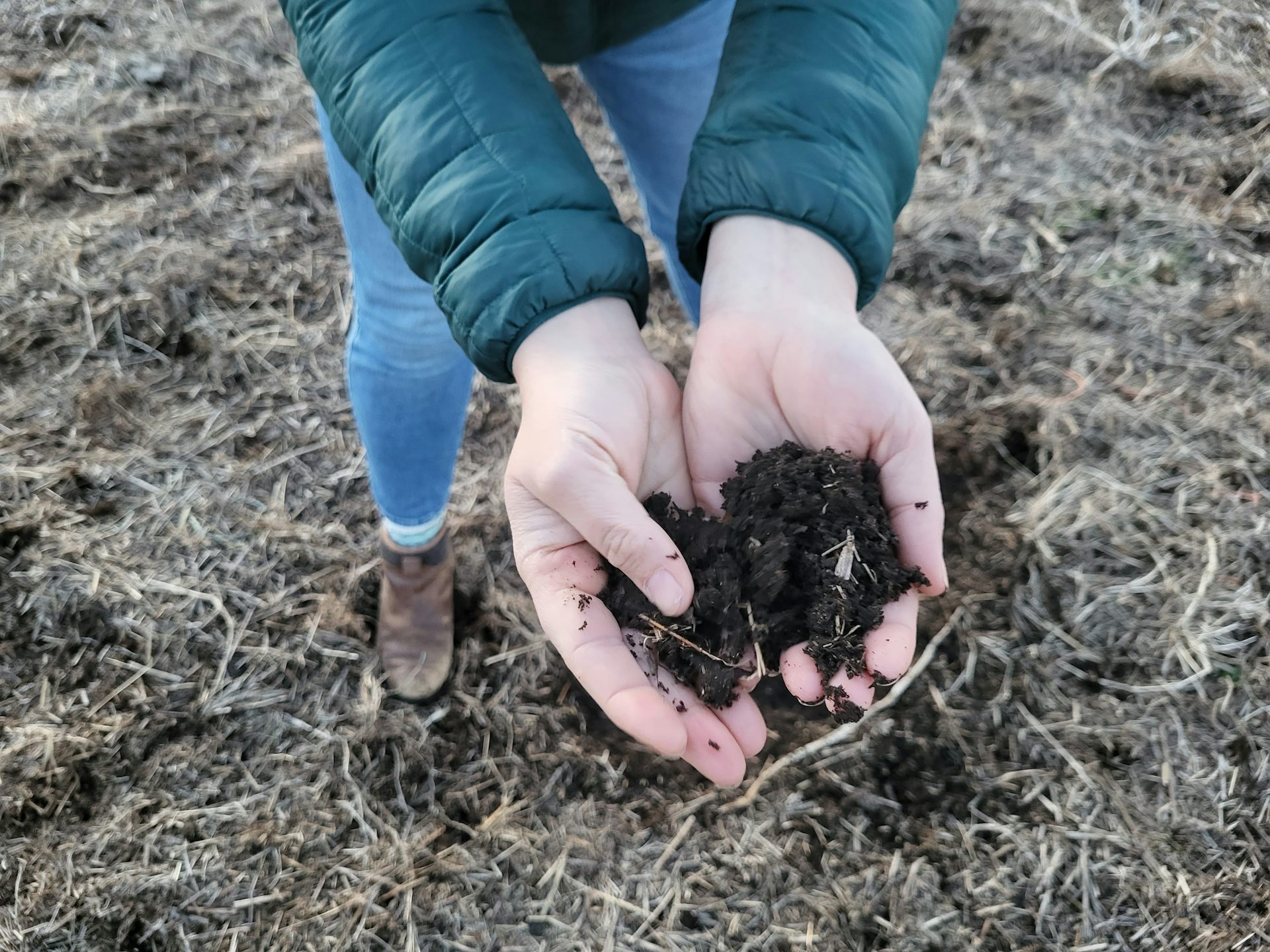
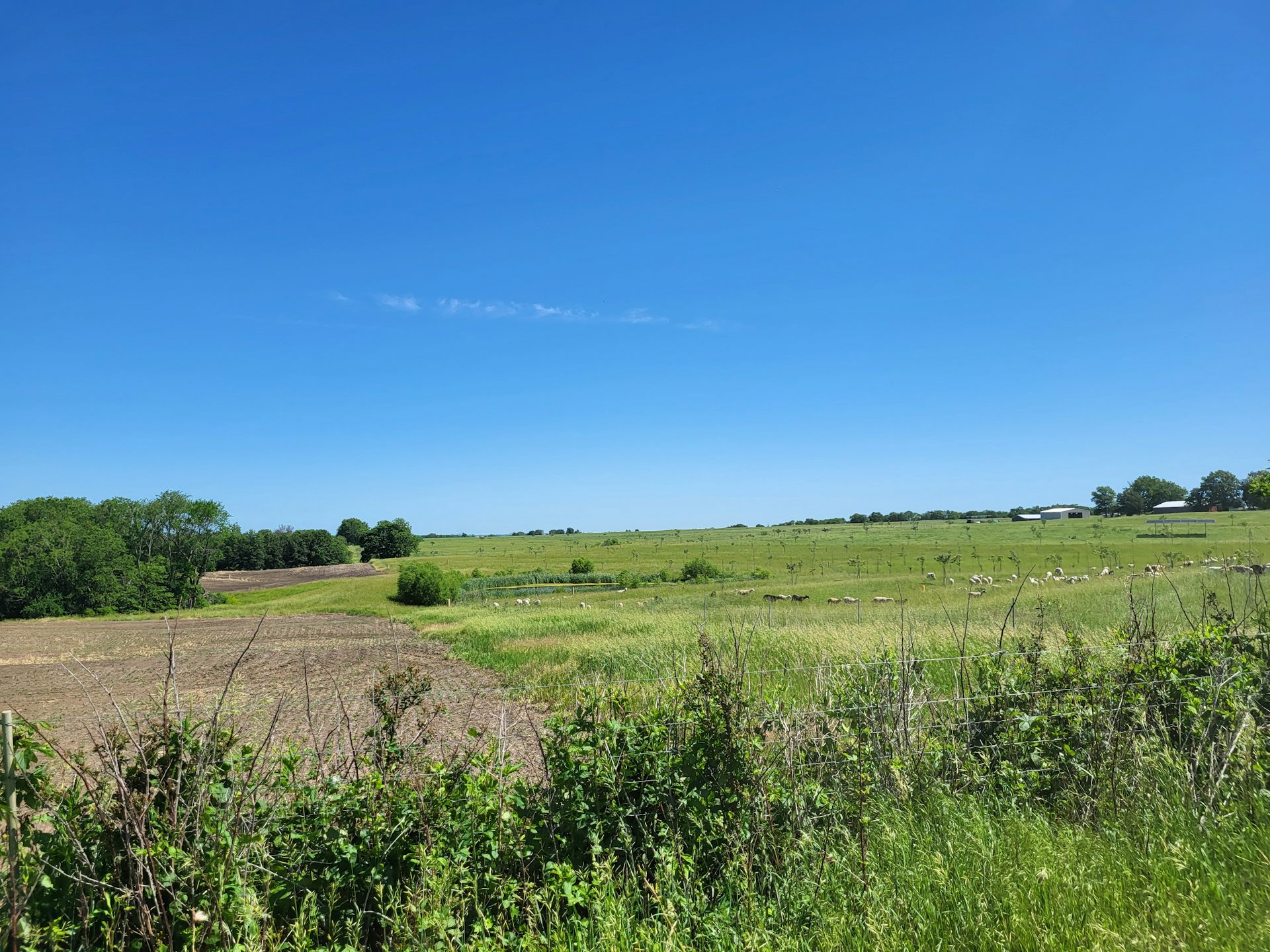
The farmers I studied, on the other hand, had recently changed perspectives, observing that those conventional practices were contributing to damage to the soil, land and water. As a result, they started shifting methods to attempt repair. Many reduced or eliminated their petrochemical use, stopped tilling their fields and added additional plant varieties and cover crops to protect the soil. They also began regenerative grazing, meaning that they rotated livestock through pastures daily, followed by long periods of letting each pasture recover.
Over time, these farms saw improvements in soil health, like less erosion, better ability to absorb water, and greater organic matter. These practices can also boost animal well-being and the diversity of plants, microbes, insects and fungi, which benefits the farm’s ecology and reduces the need for costly added fertilizer.
Making those changes was often challenging. For most people I spoke to, though, the agricultural transitions were more straightforward than the social side of changing how they farmed. Some felt ostracized by family and peers who considered sustainable farming and environmentalism itself to be anti-farmer and anti-rural.
One place they hadn’t typically anticipated getting pushback, though, was at church.
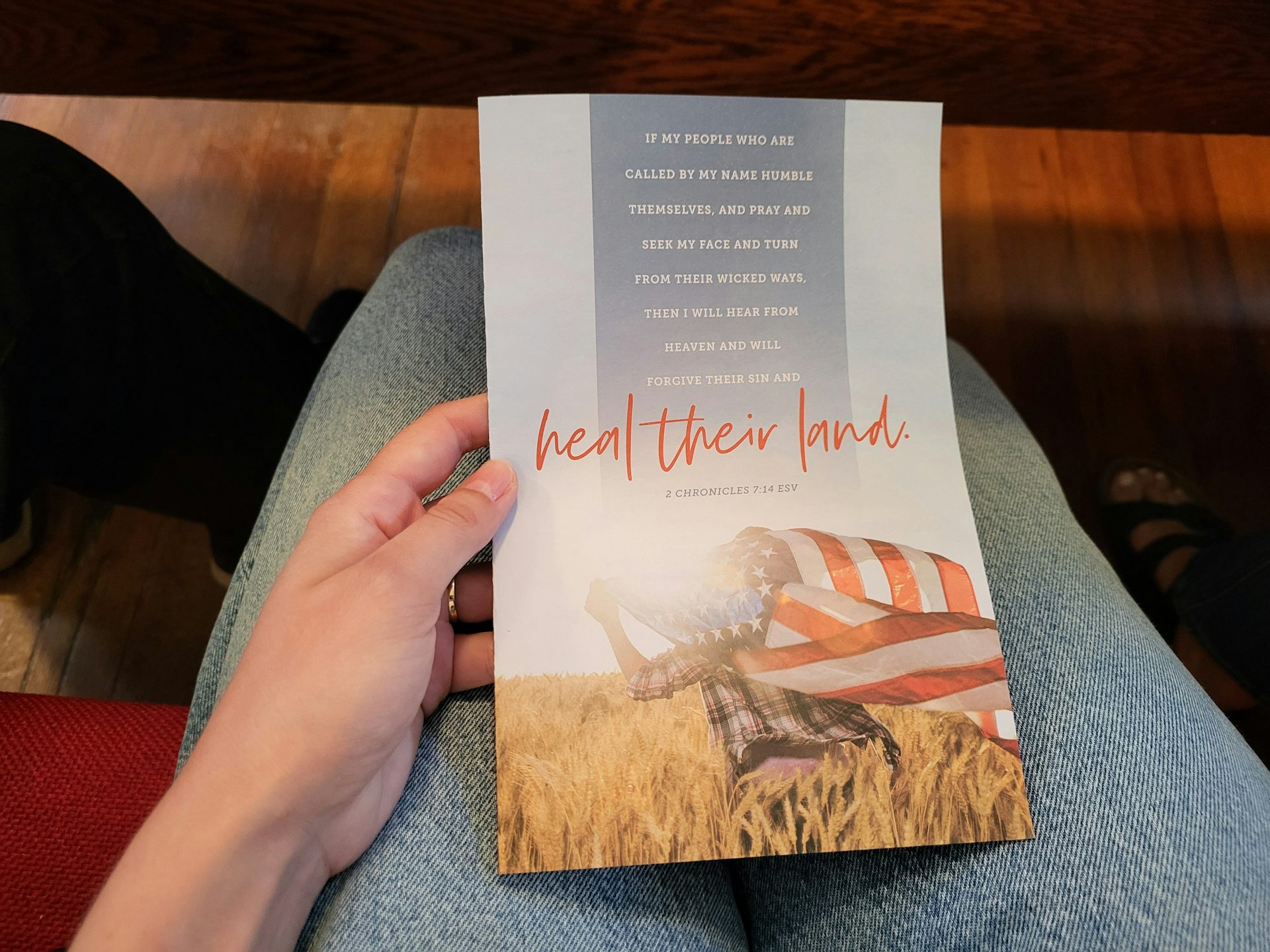
The farmers in my research represented a range of political views – far wider than stereotypes suggest – but nearly all of them grew up in Protestant Christian households. Once they came to feel they had harmed the land, many of them connected their faith with their sense of guilt and responsibility to address that harm.
Angela, who owned a cattle, pig, sheep and poultry farm with her husband in Tennessee, said their transition to sustainable farming felt in line with her faith. (Angela, like all names of interviewees, is a pseudonym for anonymity.) “Why aren’t we taking care of our creation that God gave us, right?” she told me.
As the couple transitioned toward these ecologically minded cultivation methods, Angela tried to spark conversation about the environment at her church.
“We had a little ‘eco-ministry,’” she recalled. “Someone came and told me, ‘I can’t figure out if you’re a Christian who cares about the earth, or just an environmentalist trying to use Christians.’ I felt so, so sad. And one of my friends had her sister tell her it’s a sin to do anything about taking care of the earth. It’s a sin. God’s in charge, and he’ll do whatever he wants with it.”
In Iowa, rancher Jon wondered if some peers interpreted critiques of conventional agriculture as slights against their belief that they were living out a God-given role of productively cultivating the land.
“How many generations have we been conditioned that if we make it tillable, we’re doing God’s work?” Jon rhetorically asked me. He was sympathetic that most farmers cared deeply about stewarding the land well – he had thought he was doing that too, until he noticed his methods’ unintended ecological impacts. “So I’m pretty sure the things I bring up definitely challenged their faith more than anything.”
Some farmers heard more dramatic pushback from church leadership. Drew, a farmer in the Midwest, had tried to talk about his sustainability changes at his church. He recalled a prominent congregation member and fellow farmer responding: “It doesn’t matter what we do to land. … It’s all temporary. It’s all going to burn up. It’s all going to be thrown away.”
Such ideas reflect rhetoric that some scholars call “apocalyptic conspiracism”: an attitude that emphasizes spreading Christianity over addressing worldly problems, and weaves in elements of rural white Christian nationalism, distrust of science and beliefs about the end of the world. These views are not the stereotypical opposition to environmentalism that stems from doubts about climate change. Instead, this perspective accepts environmental degradation as a sign that Jesus will soon return to Earth.
In Georgia, Jennifer – who sent me the text about Berry’s passing – also felt distrust from some people in her church about her vocal shift toward sustainable agriculture, as did her friend Harry. A local theologian and educator, Harry ran a faith-based youth program that included an environmental justice curriculum and trips to nearby farms.
Harry had recently prepared a poetry book to present to his church about local water pollution. He recalled his pastor replying, “Well, creation’s going to burn anyways.”
Chatting with Harry and Jennifer in early 2024, I asked why they thought differently about the connection between environmentalism and living out their faith.
“Wendell Berry opened my eyes,” Harry replied immediately.
“Mine too,” Jennifer said. “Mine too.”
“I mean, we owe a lot to that man,” Harry reflected.
In the face of messages that farming sustainably was irrelevant to their faith, or even anti-Christian, Berry stood out as a voice validating their efforts. Several farmers of faith in my research repeatedly referenced his writings as fundamental in their shifting perspectives on both topics.
In contrast to a climate where rural Christianity is often associated with the right, Berry did not fit into political labels or extremes. Multiple farmers told me that they looked to him as a model for how to speak to their own communities in ways that would open dialogue, rather than shut it down.
A few had even crossed paths with him, asked for advice and thanked him for the impact his example had on their lives at a time when they often felt misunderstood by other rural Christians and farmers – both communities they cared deeply about and remained within.
“Being a Christian is not just about going to heaven when you die – that’s escapism,” Drew told me, explaining how he had felt when he first read Berry and other environmentalist theologians’ writings. “It’s also bringing about healing and regeneration and reconciliation right here.”
“I don’t have to suspend my belief in science,” he added, noting the clarity and validity he now felt explaining how something like cover crops aligned with his faith. “I can be a part of healing and regenerating right now.”
This article is republished from The Conversation, a nonprofit, independent news organization bringing you facts and trustworthy analysis to help you make sense of our complex world. It was written by: Sydney Giacalone, University of Virginia
Read more:
How soybeans took over the American diet – without anyone noticing
America’s dairy farms are disappearing, down 95% since the 1970s − milk price rules are one reason why
How evangelicals moved from supporting environmental stewardship to climate skepticism
Sydney Giacalone advised on survey methods in 2025 for Think Regeneration, a nonprofit focused on sustainable farming.







Comments